
Understanding Peptide Purity Testing
Learn how peptide purity testing ensures reliability in research compounds. Explore key testing methods used to verify quality, identity, and consistency in laboratory-grade peptides.
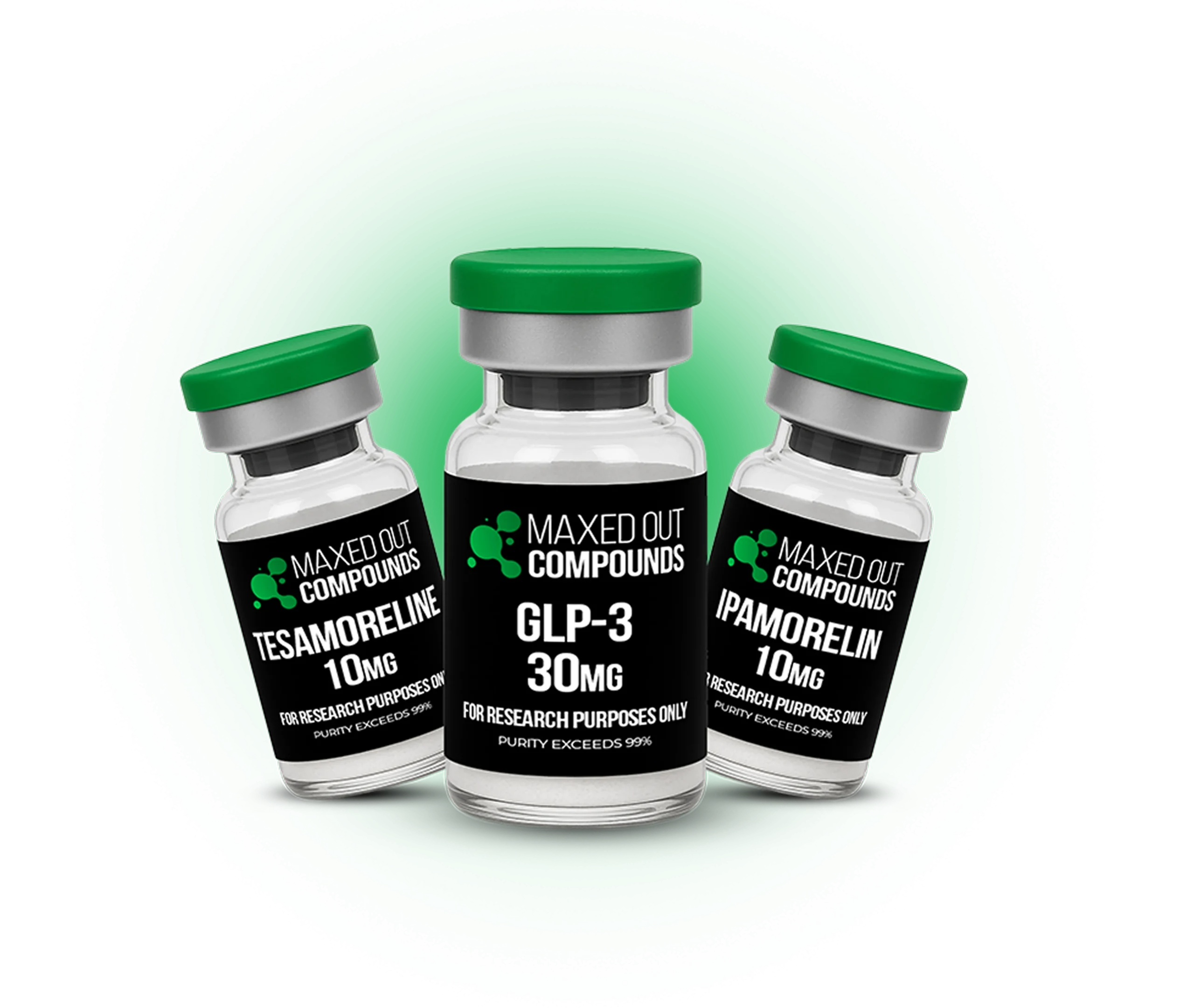
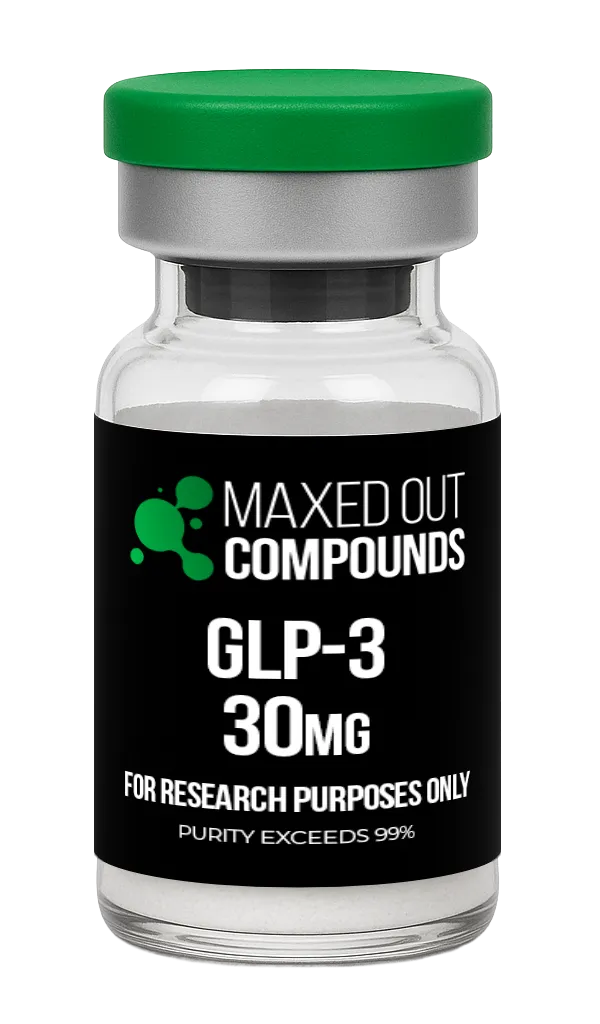
Maxed Out Compounds GLP-3 (Glucagon-Like Peptide-3) is a synthetic peptide analog structurally related to the incretin family. It is characterized by its stability and sequence composition, which have made it of interest in studies exploring peptide signaling and metabolic pathways. GLP-3 is noted for its structural similarity to other glucagon-like peptides, offering value in biochemical and molecular modeling applications.
Maxed Out Compounds Tesamorelin is a synthetic peptide analog of Growth Hormone–Releasing Hormone (GHRH), consisting of 44 amino acids. It is recognized for its sequence stability and ability to maintain structural integrity under various conditions. Tesamorelin is frequently referenced in scientific literature for its role in exploring growth-related peptide signaling and metabolic pathway modeling.
Maxed Out Compounds TB-500 is a synthetic peptide fragment derived from the naturally occurring protein thymosin beta-4. It consists of a short amino acid sequence known for its stability and versatility in various peptide-based applications. TB-500 is commonly referenced in scientific literature for its association with cellular structure, protein interactions, and molecular dynamics.
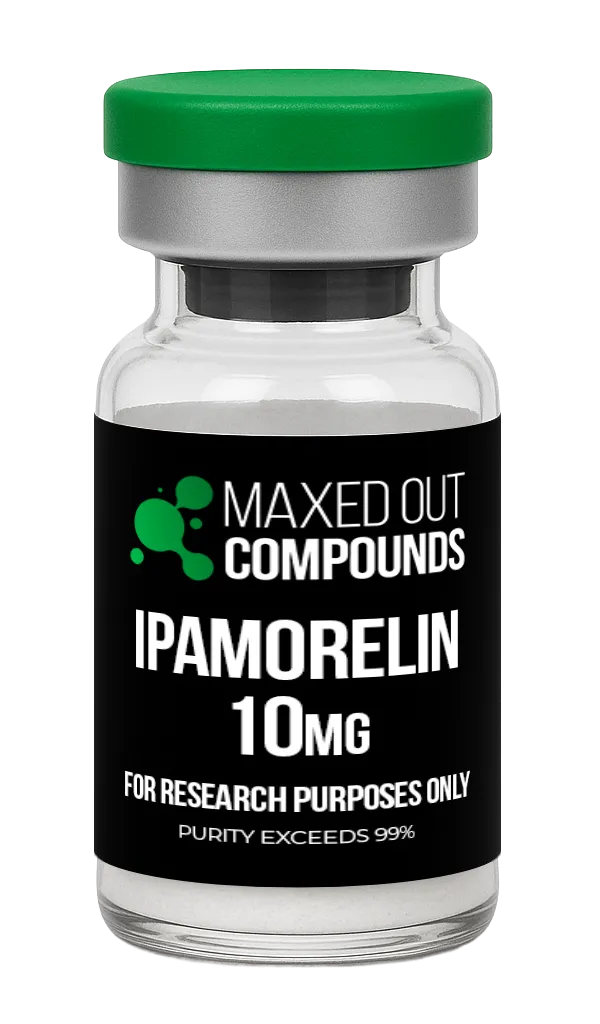
Maxed Out Compounds Ipamorelin is a synthetic pentapeptide belonging to the growth hormone secretagogue family. It is recognized for its selective receptor affinity and stable molecular structure. Ipamorelin is frequently referenced in scientific literature for its relevance to peptide signaling, cellular communication, and biochemical modeling.
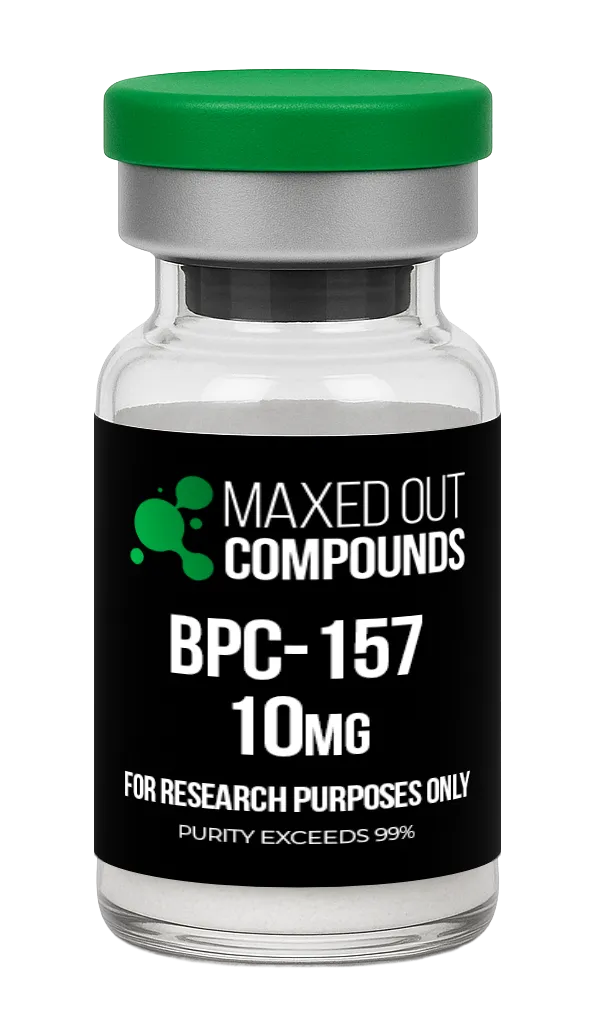
Maxed Out Compounds BPC-157 is a synthetic peptide composed of 15 amino acids, derived from a protective protein found in the gastric system. It is recognized for its stability and resistance to enzymatic breakdown, making it a valuable compound for various biochemical and structural applications. This peptide is commonly referenced in scientific literature for its role in supporting research into cellular protection, tissue dynamics, and molecular signaling.
Maxed Out Compounds Bacteriostatic Water is sterile water containing 0.9% benzyl alcohol to inhibit bacterial growth. It is used to dilute or dissolve peptides and other substances for laboratory or research purposes.
Maxed Out Compounds GLP‑3 is a high-quality research peptide tested for purity and integrity to meet laboratory and analytical research standards.
Key Features:
Disclaimer:
All products sold by Maxed Out Compounds are intended for laboratory and research purposes only. They are not for human or veterinary use, consumption, or diagnostic purposes. Statements about these products have not been evaluated by the FDA or any regulatory authority. Users are responsible for complying with all applicable local, state, and federal regulations regarding the use of these products.
“Their attention to quality control is unmatched. Every shipment arrives exactly as described, and the purity data speaks for itself. This is how research supply should be done.”
Dr. Alicia R., Pharmaceutical Sciences Researcher
“Consistent results every time. It’s rare to find a supplier this transparent about testing and documentation. Maxed Out Compounds has set a new standard for reliability.”
Dr. Marcus L., Molecular Biology Lab Director
We offer a range of high-quality research peptides, compounds, and laboratory chemicals for scientific and analytical applications.
All products are synthesized using controlled laboratory processes and are tested for quality and consistency to meet research standards.
Each product is tested for purity, integrity, and composition to ensure it meets laboratory research standards.
Products are typically supplied as lyophilized powders, with some available in sterile solutions for laboratory use.
Our products are designed for researchers, laboratories, and analytical applications.
Learn how peptide purity testing ensures reliability in research compounds. Explore key testing methods used to verify quality, identity, and consistency in laboratory-grade peptides.
Best practices for storage, handling, and preparation of research peptides in laboratory settings.
Explore current research applications and emerging trends in peptide-based studies across various fields.